
Mobility Scooters: Costs, Rules and Help Paying
Mobility scooters can give you back the freedom to pop to the shops, visit friends or enjoy a day out without relying on others. However, there are rules about where you can ride them, and prices vary a lot. It pays to understand the options before you buy.
Bus Pass Britain earns a small commission if you buy through the Amazon links on this page, at no extra cost to you. As an Amazon Associate we earn from qualifying purchases. Prices change, so check each one before you buy.
Mobility scooter covers
Keep the seat and controls dry
Here is what you need to know about mobility scooters, including the different classes, the law and help with the cost.
The two classes of mobility scooters
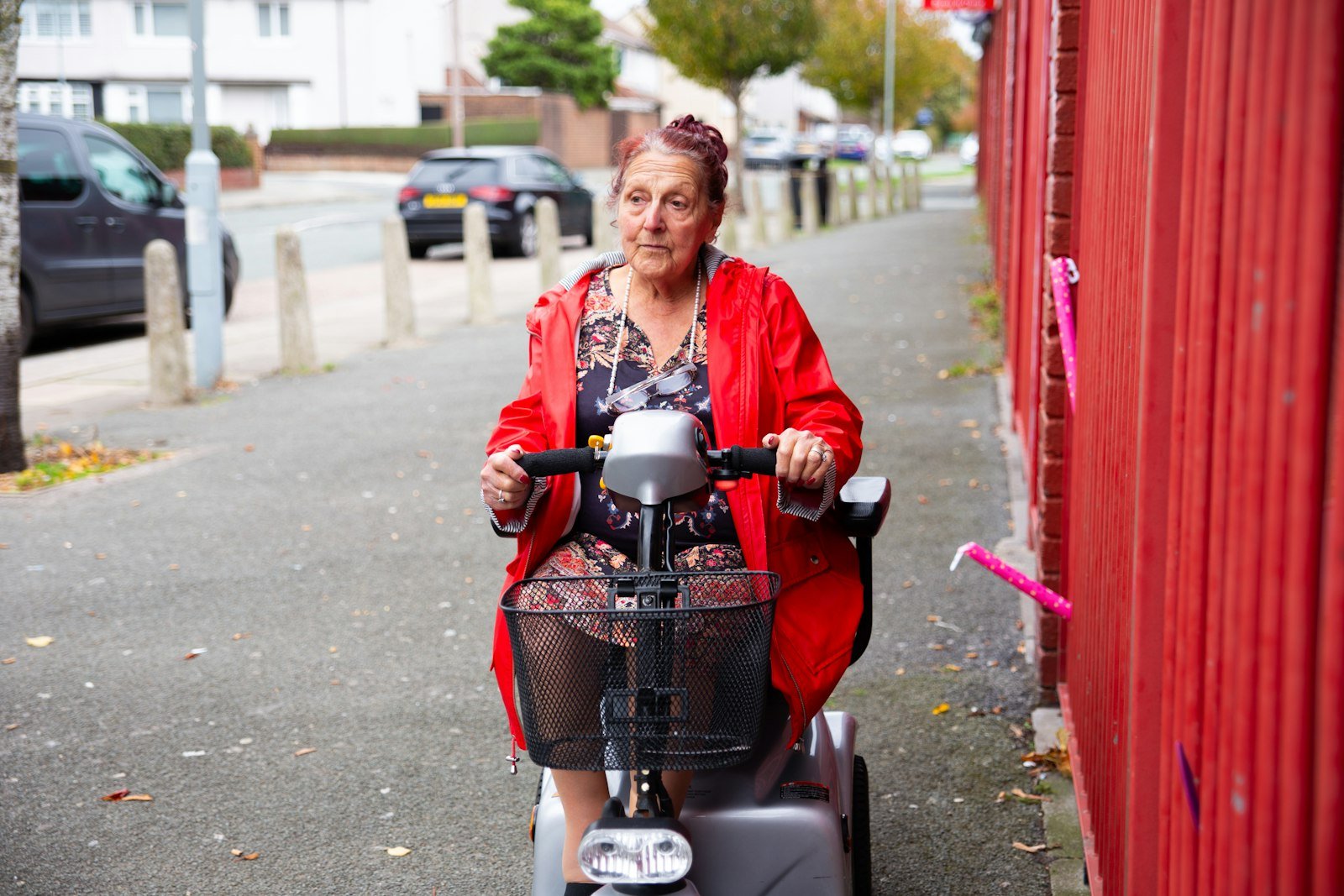
- Class 2: smaller scooters for pavements only, with a top speed of 4mph. Many fold or come apart to fit in a car boot.
- Class 3: larger scooters that can also be used on the road, with a top speed of 8mph. On pavements, they must be limited to 4mph.
Also worth a look
- Need help getting about? You may be able to claim Attendance Allowance, and it is not means tested.
- Thinking about what you leave behind? Our guide to over 50s life insurance explains how it works.
The rules for Class 3 mobility scooters
- You must register a Class 3 scooter with the DVLA. Registration is free.
- You do not need a driving licence, but you should be able to read a car number plate from 12 metres.
- You must be at least 14 to use one.
- They need lights, indicators, a horn and a rear view mirror.
- You cannot use them on motorways, bus lanes or cycle lanes, and dual carriageways are best avoided.
Insurance is not a legal requirement, but it is strongly recommended. It covers you if you damage someone’s property or injure a pedestrian, and many policies include breakdown cover.
How much do mobility scooters cost?
Small portable scooters can cost a few hundred pounds, while large road scooters can cost several thousand. Reconditioned scooters with a warranty are a good way to save money. If you have a long term illness or disability, you should not pay VAT on a mobility scooter.
Help with the cost
If you get the higher rate of the mobility part of Personal Independence Payment or Disability Living Allowance, you may be able to lease a scooter through the Motability scheme. Some charities also offer grants towards mobility equipment. In addition, your council may be able to arrange a free assessment of your needs.
Taking a mobility scooter on the bus
Some bus companies allow smaller scooters on board, usually with a permit and only if the scooter meets size limits. Ask your local operator before you travel. If you would rather leave the scooter at home, a disabled bus pass gives free bus travel.

Folding walking sticks
Light enough for a bag or the scooter basket
Tips before you buy
Try several models, and ask for a home demonstration. Check where you will store and charge it, and how far it goes on one charge. Finally, never sign up under pressure, and read our guide to scams targeting pensioners for doorstep sales tactics to watch for. Official guidance is on GOV.UK.
Header photo: David Hawgood, CC BY-SA 2.0, via Wikimedia Commons.
By Matthew Pye · Published 23 October 2026 · Updated 10 November 2026