Downsizing in Retirement: The Pros, Cons and Costs
Once the children have left home, many people find themselves rattling around in a house that is too big, too expensive to heat and too much work to keep up. Downsizing in retirement can free up money and make life easier. However, it is a big decision, with costs and emotions that are easy to underestimate.
Bus Pass Britain earns a small commission if you buy through the Amazon links on this page, at no extra cost to you. As an Amazon Associate we earn from qualifying purchases. Prices change, so check each one before you buy.

Vacuum storage bags
Shrink bedding and coats for the move
Here are the main pros and cons of downsizing in retirement, and the questions to ask before you put the house on the market.
The benefits of downsizing in retirement
- Money released: selling a larger home and buying a smaller one can free up a lump sum to top up your income or help family.
- Lower bills: a smaller home usually means lower heating bills, Council Tax and maintenance.
- Easier to manage: fewer rooms to clean, a smaller garden and perhaps no stairs.
- Better location: the chance to move closer to family, shops, a GP surgery or a good bus route.
Also worth a look
- Finding day to day tasks harder? Check whether you can get Attendance Allowance.
- Want to help your family with funeral costs? Read our guide to over 50s life insurance.
The costs and downsides
- Moving costs: estate agent fees, legal fees, removals and, depending on the price, Stamp Duty in England and Northern Ireland, Land and Buildings Transaction Tax in Scotland or Land Transaction Tax in Wales.
- Less money than you expect: smaller homes in popular areas are not always much cheaper.
- Emotional ties: leaving a family home full of memories can be harder than people think.
- Space for visitors: you may miss having room for grandchildren to stay.
Types of home for downsizing in retirement
Bungalows
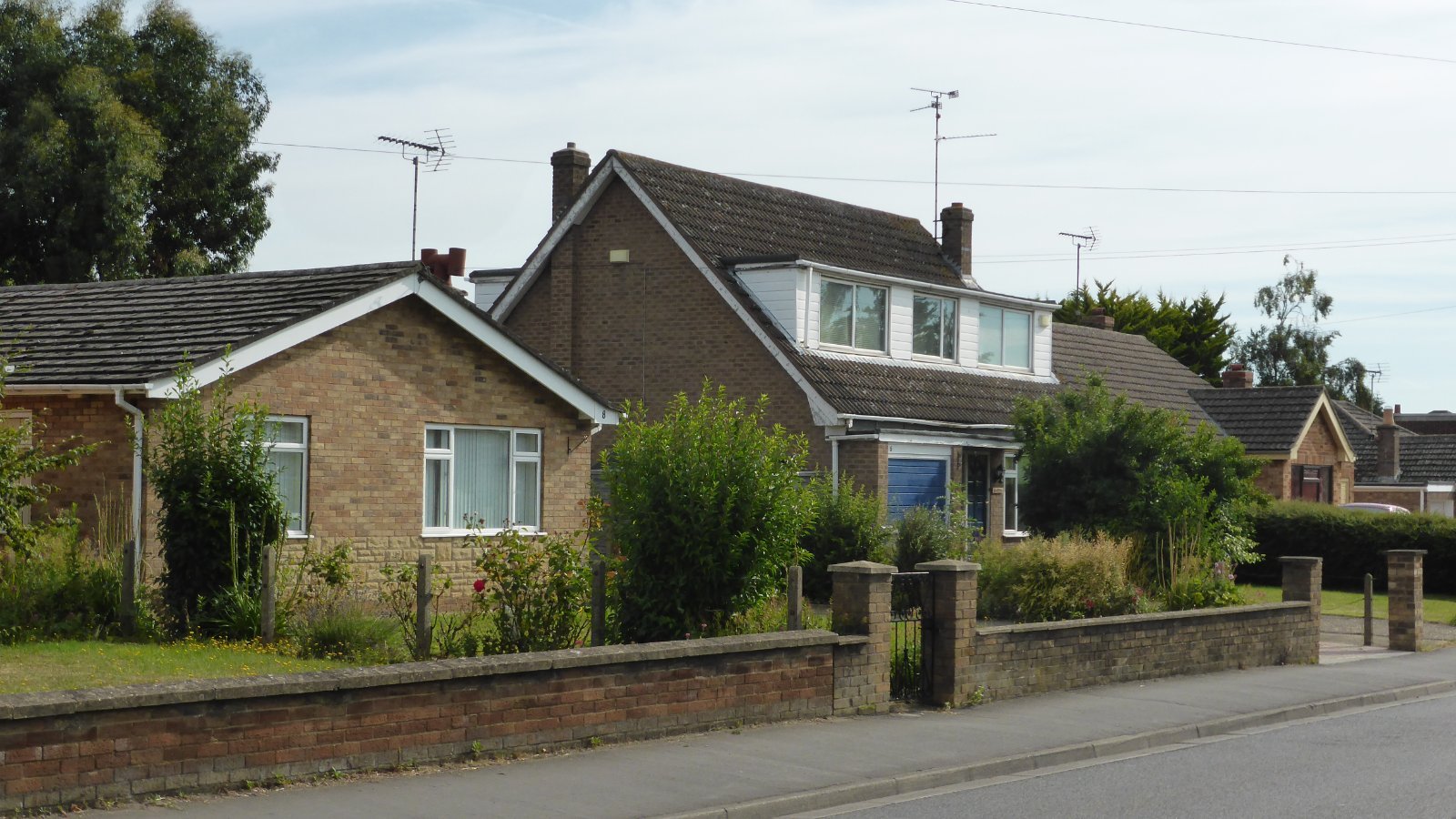
Bungalows are popular with older buyers because everything is on one level. As a result, they are in high demand and can be pricier than you might expect.
Flats
A flat can be cheaper and easier to look after. Check the service charge, the length of the lease and whether there is a lift.
Retirement properties
Retirement flats offer company and sometimes a warden or communal lounge. However, look carefully at the service charges and any exit fees, and be aware that some retirement flats are slow to resell.
Park homes
Park homes, often sold as park bungalows, are single-storey homes on residential sites, usually for people over 45 or 50. They tend to cost less than a bricks and mortar bungalow, so many people use one to free up money when they downsize. You own the home but not the land under it. That means a monthly pitch fee to the site owner, and in England the owner can take up to 10% of the price when you sell. Check the pitch fee, how it rises each year and the site rules before you commit.

Moving box kits
Boxes, tape and bubble wrap in one order

Park bungalows in Southern England
Regency Living: swap your house for a park bungalow
Over 25 sites from Cornwall to Norfolk, for people over 45. With their part exchange scheme you pay no estate agent fees, and there is no Stamp Duty on the new home.
Advert. We may earn a commission if you make an enquiry, at no cost to you.
Questions to ask before downsizing in retirement
- What will I actually have left after all the costs?
- Is the new area close to shops, healthcare and public transport?
- Will the new home suit me if my mobility changes?
- Have I talked it through with my family?
If you want to stay put but release some money, our guide to equity release explains another option, although it has its own costs. Free, impartial guidance is available from MoneyHelper.
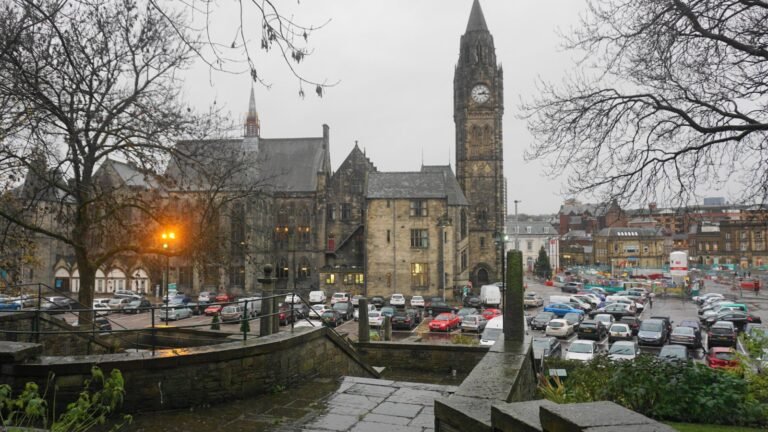
Header photo: Bob Harvey, CC BY-SA 2.0, via Wikimedia Commons.
By Matthew Pye · Published 23 October 2026 · Updated 9 November 2026