Blue Badge: Who Qualifies and How to Apply
A Blue Badge lets you park closer to where you need to go if you have a disability or health condition that makes walking difficult. It can make shopping, hospital visits and days out far easier. Many older people qualify without realising it.
Bus Pass Britain earns a small commission if you buy through the Amazon links on this page, at no extra cost to you. As an Amazon Associate we earn from qualifying purchases. Prices change, so check each one before you buy.

Blue Badge holders and clocks
Keep the badge and clock together on the dash
Here is who can get a Blue Badge, how to apply and the main rules for using one.
Who qualifies for a Blue Badge?
Some people qualify automatically. For example, you are usually eligible if you are registered blind, if you get the higher rate of the mobility part of Disability Living Allowance, or if you scored enough points for moving around in your Personal Independence Payment assessment.
Others can qualify after an assessment by the council. This includes people who:
- cannot walk, or find walking very difficult because of pain, breathlessness or how long it takes
- have a condition that makes travel very difficult, including some hidden or non visible conditions
- have a severe disability in both arms and drive regularly
Since 2019, people with non visible conditions such as dementia or anxiety can also qualify if a journey causes them very considerable difficulty.
Also worth a look
- Need help getting about? You may be able to claim Attendance Allowance, and it is not means tested.
- Thinking about what you leave behind? Our guide to over 50s life insurance explains how it works.
How to apply for a Blue Badge
In England, Scotland and Wales, you apply through GOV.UK, and your local council decides. You will need a recent photo, proof of identity, proof of address and evidence of your benefit or condition. In Northern Ireland, you apply through nidirect.
Some areas charge a small fee for the badge, while others issue it free. A badge usually lasts up to three years, so make a note of the renewal date.
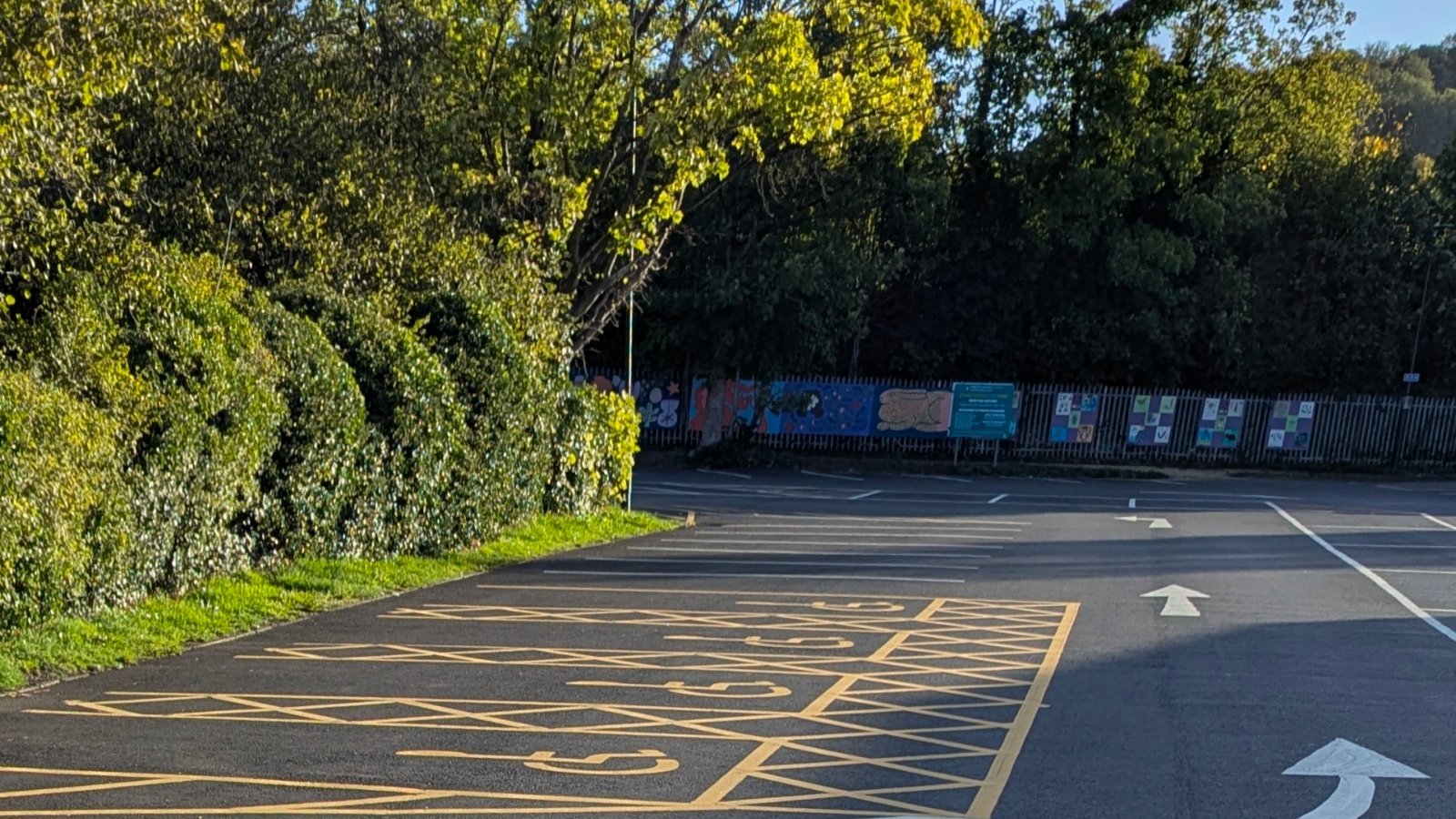
Where you can park with a Blue Badge
- in disabled parking bays
- on yellow lines for up to three hours in England and Wales, unless there is a no loading sign
- free of charge and without time limits at on street meters and pay and display bays in many areas
However, the rules are different in central London and in some private car parks, such as at supermarkets and hospitals. Therefore, always check the signs.

Folding walking sticks with a seat
Rest when you need to on a longer walk
Using your badge correctly
The badge belongs to you, not the car, so you can use it in any vehicle you travel in. Display it clearly on the dashboard with the hologram side facing up, and set the parking clock if you park on yellow lines. Never let someone else use it when you are not in the car, as this is a criminal offence.
More help with getting around
If you do not drive, a disabled bus pass gives free bus travel at any age. You may also be able to claim Attendance Allowance if you need help with personal care.
Header photo: Jaggery, CC BY-SA 2.0, via Wikimedia Commons.
By Matthew Pye · Published 23 October 2026 · Updated 10 November 2026