
Magnifying Glass for Reading: Which Type Helps Most
Small print on medicine labels, bus timetables and the TV guide gets harder to read for most of us after 60. A magnifying glass for reading is a cheap fix, but the right one depends on what you are reading and for how long.
Bus Pass Britain earns a small commission if you buy through the Amazon links on this page, at no extra cost to you. As an Amazon Associate we earn from qualifying purchases. Last checked October 2026.
Our quick picks

BEST FOR QUICK JOBS
Hand-held magnifier with a light
Price labels, post and the back of a packet. The built-in light makes a real difference.

BEST FOR BOOKS AND LETTERS
Stand magnifier
Sits flat on the page at the right distance, so there is nothing to hold steady.
CHEAPEST OPTION
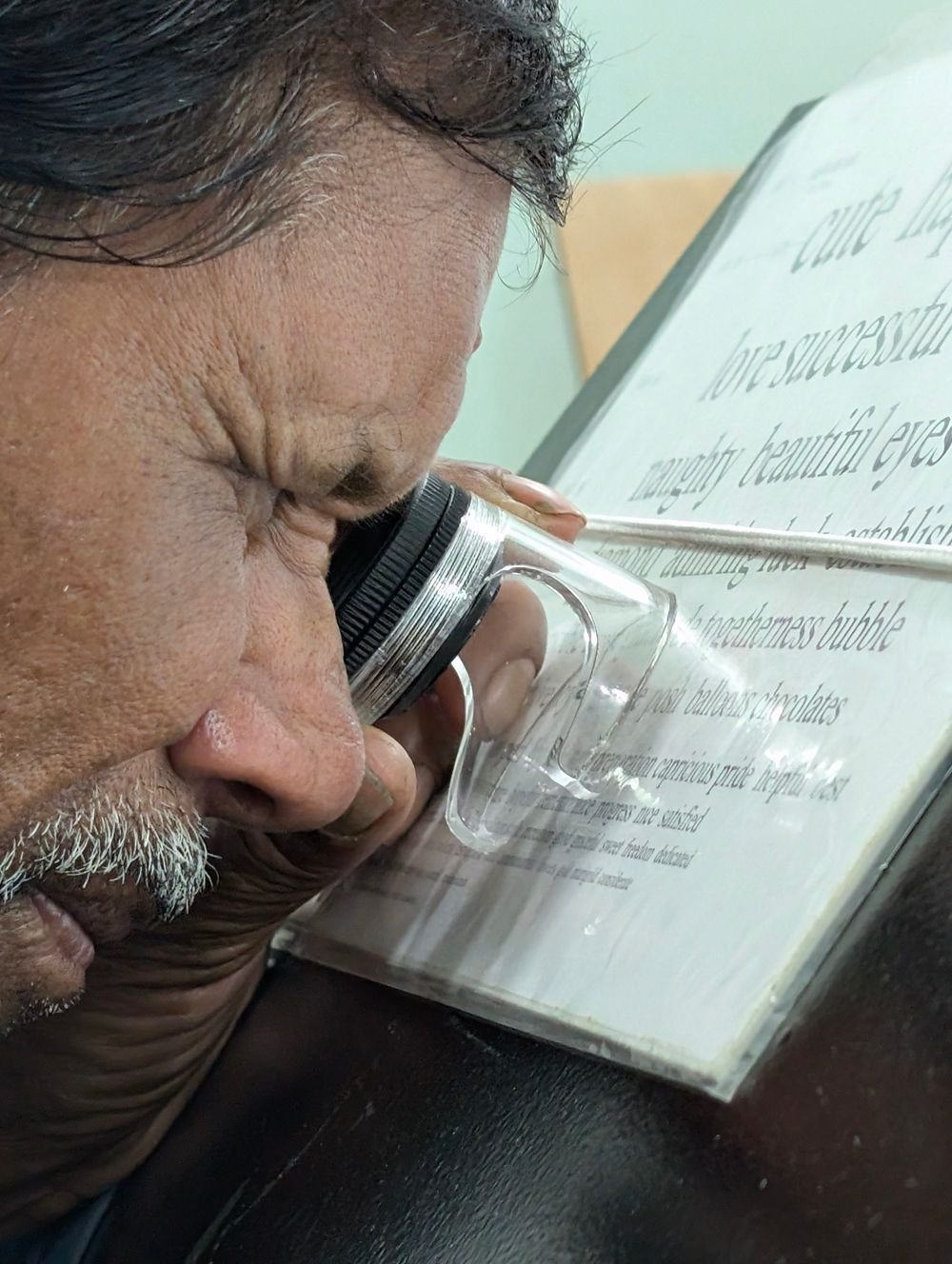
Bar magnifier
Lies across the page and enlarges one line, which also helps you keep your place.
Also worth a look
- Finding day to day tasks harder? Check whether you can get Attendance Allowance.
- Want to help your family with funeral costs? Read our guide to over 50s life insurance.
Before you buy a magnifying glass for reading
If reading has got harder recently, book an eye test before you buy anything. A change in your glasses may be all you need, and NHS eye tests are free from 60 in England. Our guide to free eye tests and prescriptions explains who qualifies. If you do need new glasses, our guide to cheap varifocals shows how to keep the cost down.
If glasses and good light are no longer enough, ask your optician or GP about a referral to a low vision service. They can assess which magnifier will help and show you how to use it. The RNIB can also give advice.
Which magnifying glass for reading?
The main rule is that stronger lenses are smaller. A 2x or 3x lens shows you a good chunk of a line at once, while a 6x lens shows only a few letters. Use the lowest strength that lets you read comfortably.
Hand-held magnifier with a light
Good for quick jobs like price labels, post and the back of a packet. A built-in LED lights up the page, which helps more than you might expect. Hold it close to your eye and bring the page into focus, rather than holding it at arm’s length.

Nazano 10x hand-held magnifier with 12 LED lights
Bright enough for post, price labels and the back of a packet.
Stand magnifier
This sits flat on the page at the right distance, so you do not have to hold it steady. It is the better choice for reading a book or a letter for more than a few minutes. Some people need to wear their reading glasses with it.
Large LED stand magnifier with 34 dimmable lights
Sits on the page so your hands stay free for a whole chapter.
Bar magnifier
A clear bar that lies across the page and enlarges one line at a time, which also helps you keep your place. The magnification is low, so it suits people who only need a little help.
Electronic video magnifier
A small screen with a camera underneath, which you slide over the page. You can zoom in and switch to white text on black, which many people find easier. They cost far more than a lens, so try one in a shop or at a local sight loss society before buying.
See video magnifiers on Amazon

Give your eyes a rest
Let someone else read to you: 3 months of Audible for 99p
Then £5.99 a month, cancel any time. For new members, until 17 December.
Advert. We may earn a commission if you sign up, at no cost to you.
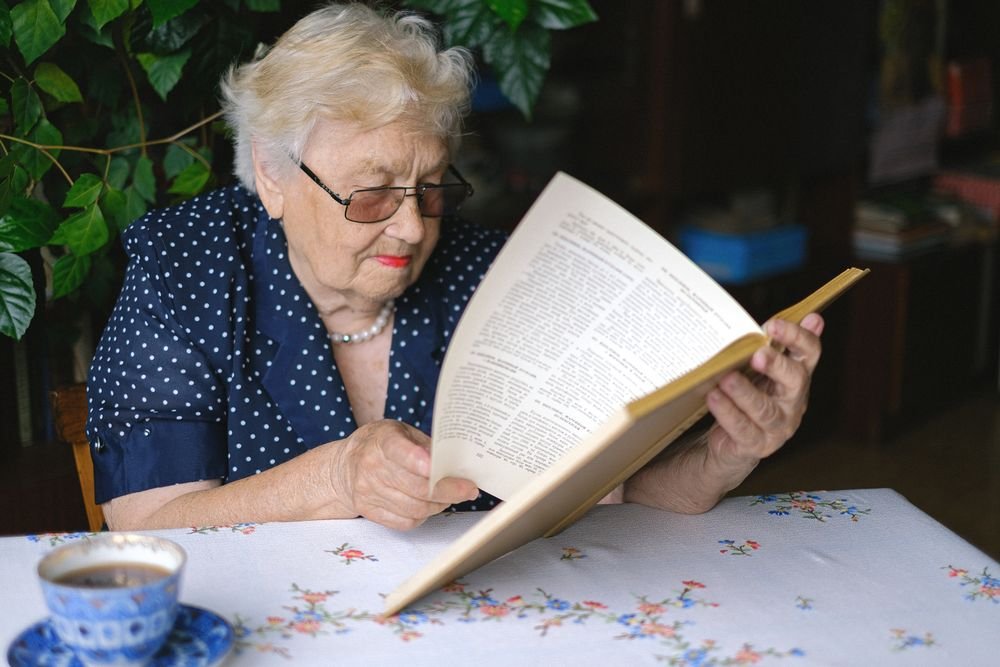
Still struggling with a book?
A stand magnifier keeps the page sharp without tiring your hand, so you can read for longer.
Getting the most from a magnifying glass for reading
- Read from the middle of the lens. The edges blur and bend the text.
- Use a good lamp aimed at the page, without casting your own shadow over it.
- Rest the page on a clipboard or reading stand so it stays flat.
- Take short breaks and remember to blink, as reading closely can make your eyes feel gritty.
Magnifying glass FAQs
Start low, around 2x to 3x, which suits most newspaper and book print. Go stronger only if you still struggle, because the lens gets smaller and you see less at once.
A low vision service may provide or lend magnifiers after an assessment. Ask your optician, GP or eye clinic for a referral.
They magnify a little, up to about 2x, and suit many people. If you need more than that, get advice from an optician.
They are cheap and light, but the image is not very sharp. People with macular conditions often find they do not help.
Looking for a present? See our gifts for a grandmother and gifts for a grandfather guides.
Header photo: Flazingo Photos, CC BY-SA 2.0, via Wikimedia Commons. Sources: Blind Veterans UK, Hull University Teaching Hospitals NHS Trust.
Shopping the sales? See our guide to Black Friday reading aids and hearing help.
By Matthew Pye · Published 26 October 2026 · Updated 9 November 2026